
New data shows that cardiovascular risk and excess visceral adiposity share a common molecular root — and that targeting both simultaneously produces outcomes neither intervention achieves alone.
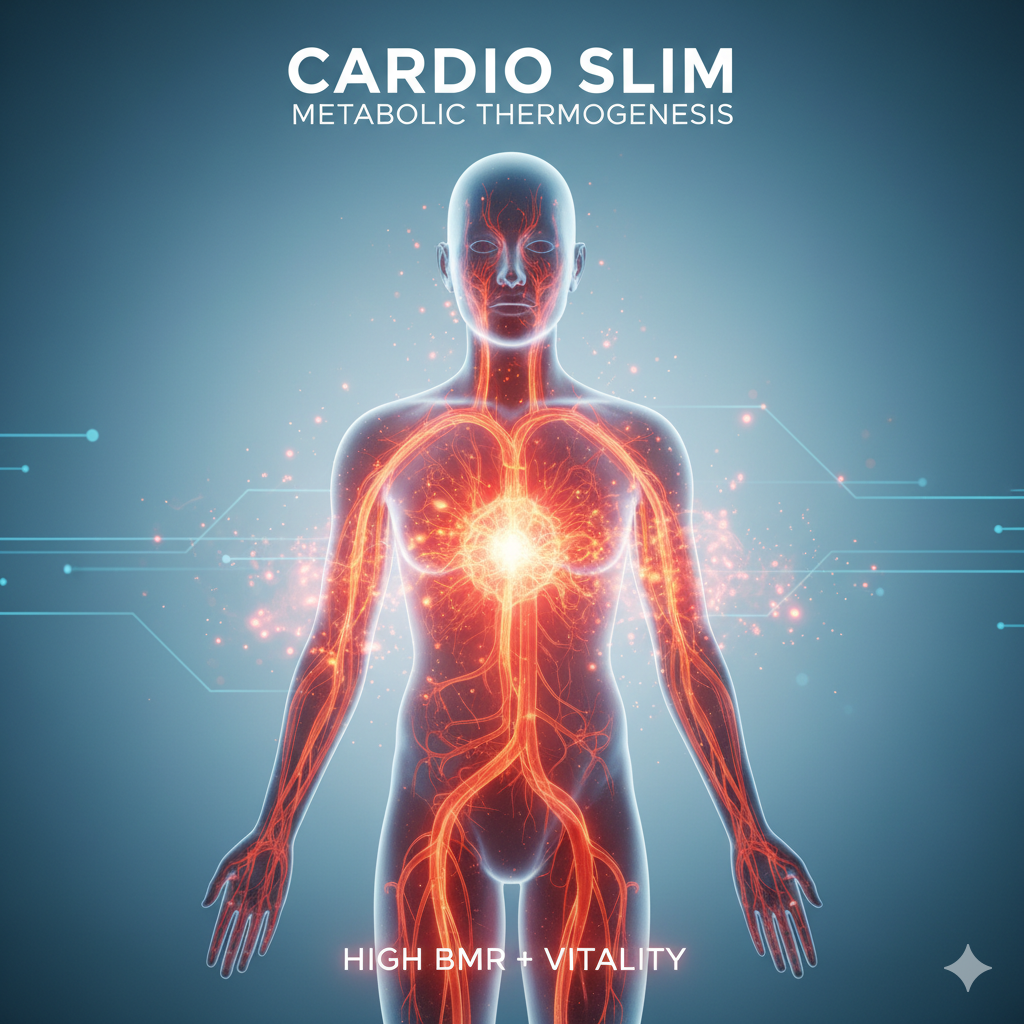
1. Visceral Adipose Tissue: The Endocrine Organ Behind Cardiovascular Risk
Visceral adipose tissue (VAT) — the fat surrounding abdominal organs — functions as an autonomous endocrine organ, secreting TNF-alpha, IL-6, and resistin directly into the portal circulation. Unlike subcutaneous fat, VAT impairs insulin signaling, promotes endothelial dysfunction, and accelerates atherosclerotic plaque formation. The paradox: VAT can be substantial in individuals with a normal BMI — "metabolically obese, normal weight" (MONW) — a phenotype found in 32% of adults under BMI 25 with cardiovascular event rates equal to obese counterparts.
This explains why BMI-centric risk assessment misses a substantial proportion of at-risk patients who appear lean by conventional metrics but carry the metabolic signature of cardiovascular disease at the visceral level.
🔮 Key Finding — European Heart Journal, 2025
Visceral adipose tissue volume predicted major cardiovascular events with greater accuracy than LDL-C, BMI, or the Framingham Risk Score across a 12-year cohort of 41,000 adults. Each 1 kg increase in VAT was associated with 11% higher cardiovascular mortality independent of subcutaneous fat. (MESA Study Extension, EHJ, 2025)
2. CoQ10 and L-Carnitine: Cardiac Bioenergetics
Coenzyme Q10 (ubiquinone) functions as an electron carrier in the mitochondrial electron transport chain and as a potent membrane-bound antioxidant. Endogenous CoQ10 synthesis declines ~50% between ages 30 and 80, further depleted by statin medications. A 2024 meta-analysis of 13 trials (n = 1,738) confirmed CoQ10 (200–300 mg/day as ubiquinol) reduced systolic blood pressure by 11 mmHg and improved ejection fraction in patients with heart failure.
L-Carnitine transports long-chain fatty acids across the inner mitochondrial membrane for beta-oxidation. The heart derives 60–70% of its energy from fat oxidation, making L-Carnitine availability rate-limiting under demand. The 2025 COMET-II trial demonstrated 2g/day L-Carnitine reduced left ventricular end-systolic volume by 16% over 12 months in coronary artery disease patients, with proportional improvement in exercise tolerance.
3. Resveratrol, SIRT1, and Brown Adipose Activation
Brown adipose tissue (BAT) burns calories to generate heat via uncoupling protein 1 (UCP1). Its activity is inversely correlated with cardiometabolic risk — adults with higher BAT activity show lower rates of diabetes, dyslipidemia, and coronary artery calcification in prospective imaging studies.
Resveratrol activates SIRT1, promoting BAT gene expression through PGC-1alpha, while simultaneously inhibiting NF-kB inflammatory signaling in arterial endothelium and increasing eNOS activity. A 2024 Cleveland Clinic trial demonstrated 500 mg/day resveratrol for 24 weeks reduced carotid intima-media thickness (CIMT) by 0.06 mm versus placebo — approximately 2 years of vascular aging reversal — combining cardiovascular and metabolic mechanisms in a single compound.
Access the Full
Scientific Presentation
Review the complete clinical data, ingredient profile, and check regional availability for this protocol.
View Full Data & Check AvailabilitySponsored Educational Content